When you work from home, you often spend the whole day in one room — yet the furnace heats every room in the house. Zone heating, which means warming just the space you're using, can help you stay comfortable at your desk while keeping the rest of the home a little cooler. Here's how to do it well.
Step 1: Stop the drafts first
Before adding heat, keep the warmth you already have. Check windows and doors for drafts by holding your hand near the edges on a windy day.
- Add weatherstripping around windows and doors.
- Use a draft stopper at the bottom of the door.
- Hang heavier curtains and close them in the late afternoon.
- Put a rug down on bare floors — cold floors make the whole room feel cooler.
Step 2: Choose the right heater for a desk
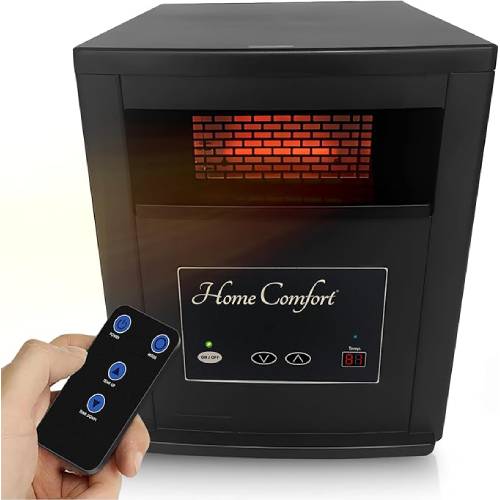
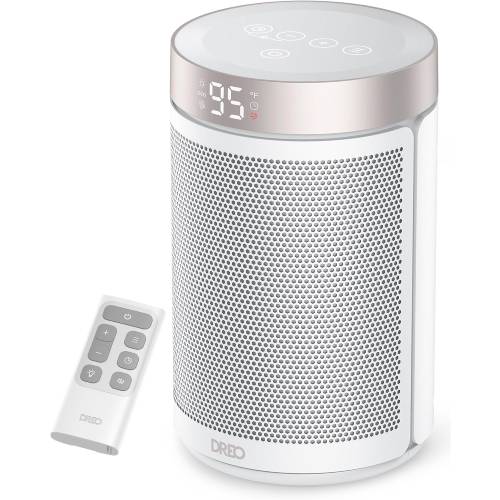
For a home office, two types work especially well. Infrared heaters warm you and nearby objects directly, so you feel the heat quickly when you're sitting in one spot. Ceramic heaters warm the air and spread heat around a small room fast. Pick one sized for your room — most plug-in heaters top out around 1,500 watts, which suits a typical small to medium room.
Step 3: Place it smartly — and safely
- Keep at least three feet of clear space around the heater — away from papers, curtains and your chair.
- Set it on a hard, level floor, not on a desk or carpet.
- Plug it directly into a wall outlet, never into an extension cord or power strip shared with your computer.
- Point it toward where you sit rather than at a cold outside wall.
Step 4: Use the controls
A thermostat lets the heater cycle on and off to hold a comfortable temperature instead of running flat out. A timer can warm the room for 15–20 minutes before you start work, then switch off at the end of the day. Many heaters also have an eco or low setting that's enough once the room is warm.
A warm layer, cozy socks and a throw blanket over your lap let you stay comfortable at a lower temperature. It sounds simple, but it makes a real difference.
Step 5: Make safety part of the routine
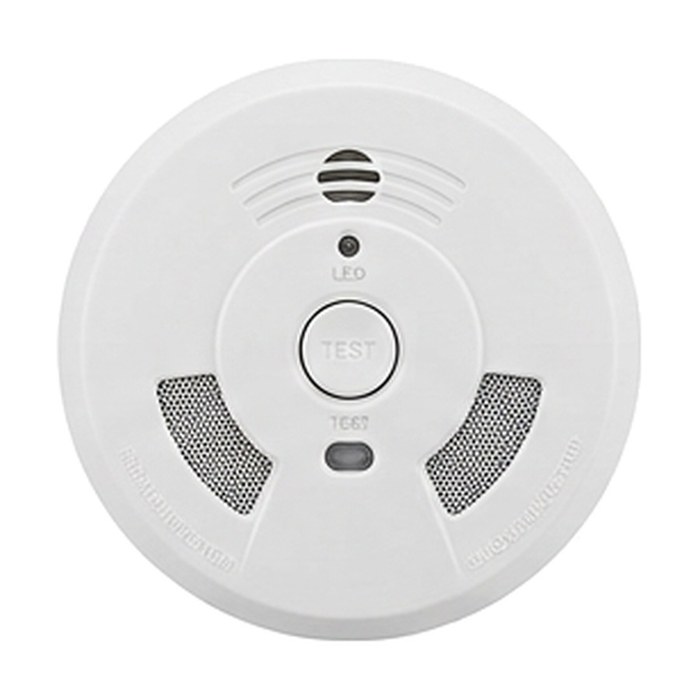
Switch the heater off whenever you leave the room and at the end of the workday. Look for models with tip-over and overheat protection, and make sure your home has working smoke alarms that you test monthly. Keeping a fire extinguisher nearby is a smart backup.
The payoff
By sealing drafts, warming only the room you're working in and using your heater's controls, you can keep your home office comfortable all winter — without paying to heat rooms nobody is using.